
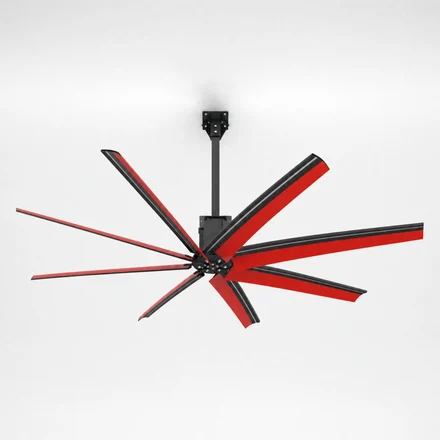
 HF800™
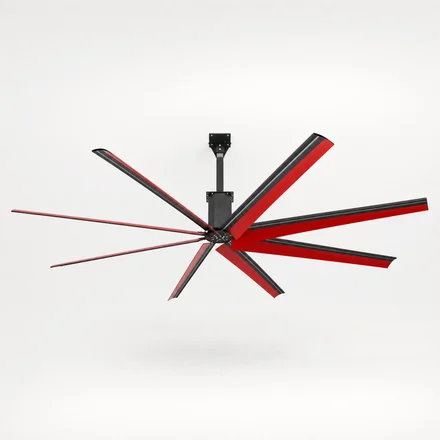 HF1200™
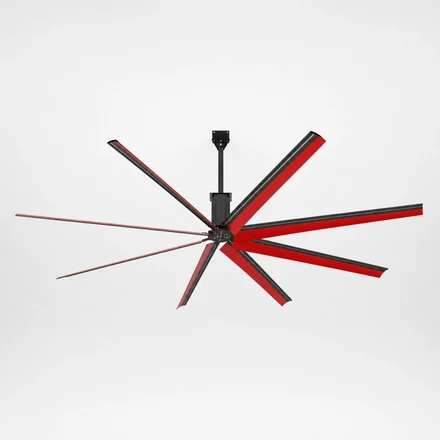 HF1600™
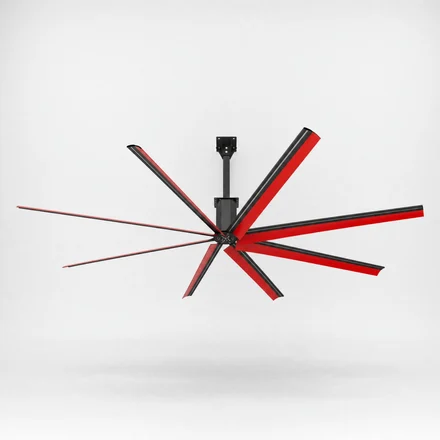 HF20™
 HF24™
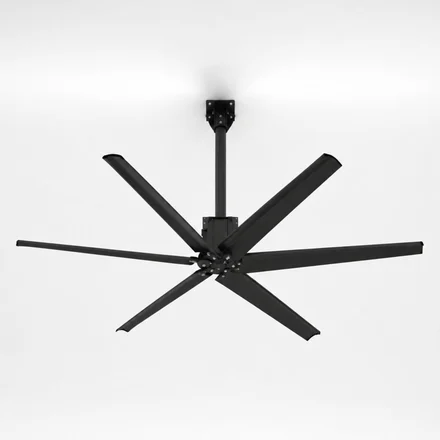 E6™ 10 Ft
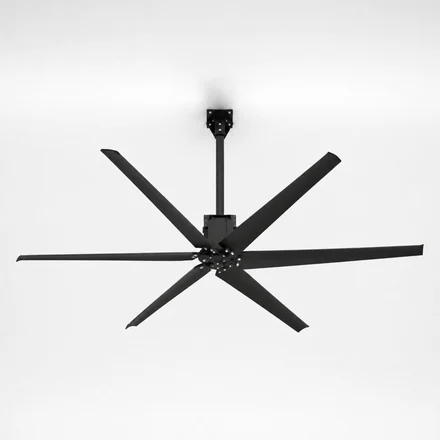 E6™ 12 Ft
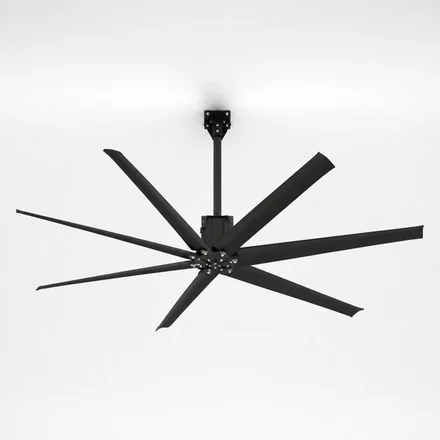 E6™ 16 Ft
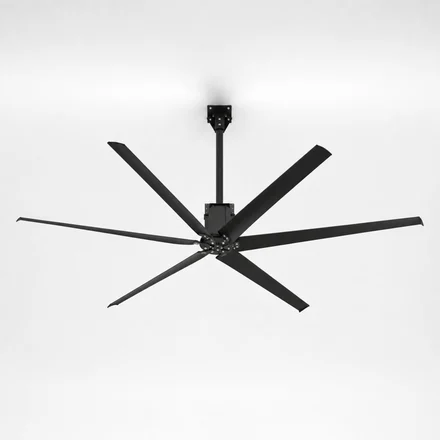 E6™ 20 Ft
Project feature ·
Skip Stewart's Aircraft Hangar Fans: A Two-Fan Installation
Skip Stewart added a second red 16-foot Humongous Fan to his Memphis aircraft hangar. Watch the installation and see what the layout shows about overhead fan placement.
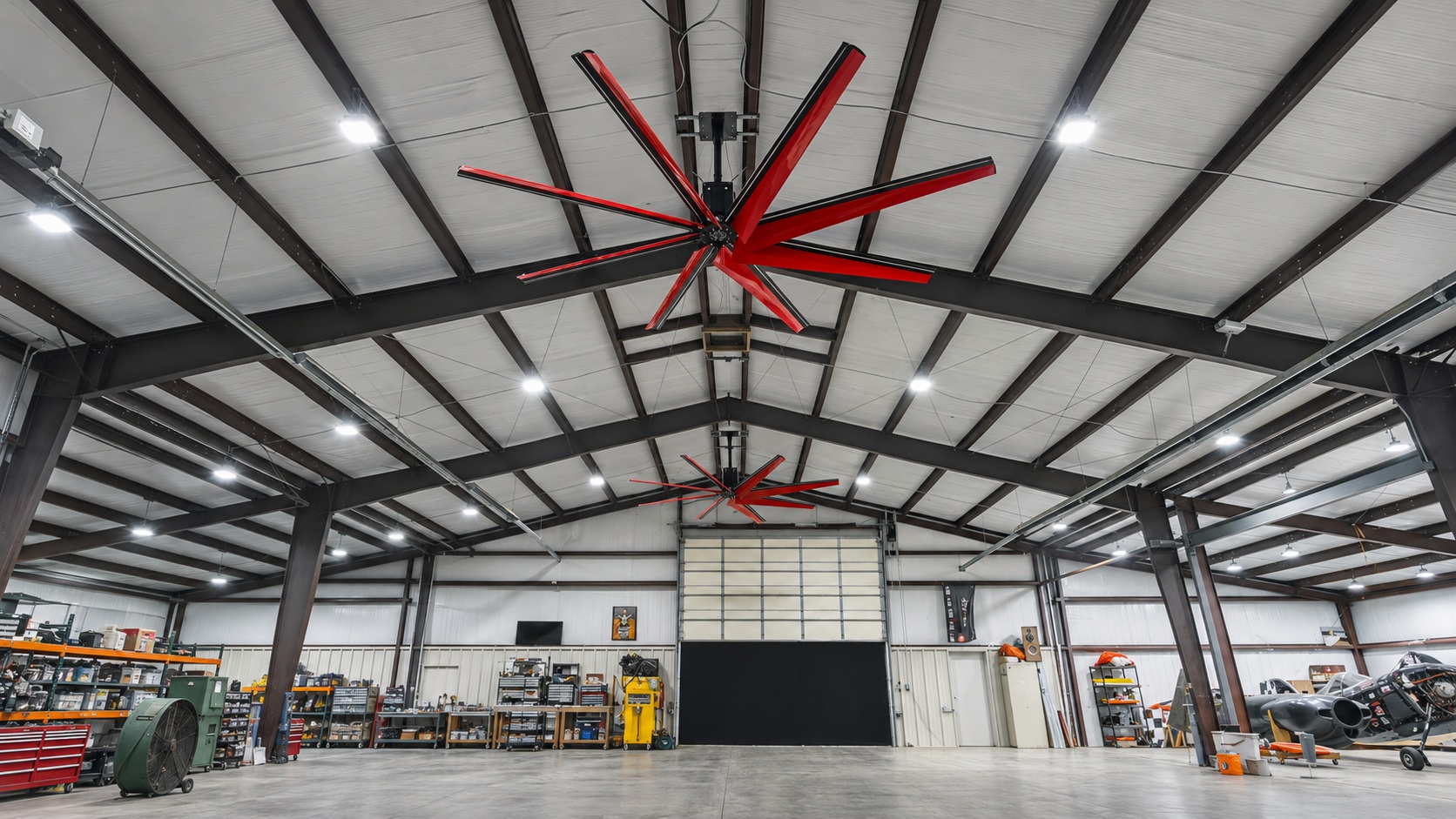
Aircraft hangar fans in Skip Stewart's Memphis workshop
Aircraft hangar fans are part of Skip Stewart's working space in Memphis, Tennessee. The aerobatic pilot installed a red 16-foot Humongous Fan, then added a second unit. His video, Installing My New Humongous Fan!, follows the second installation and ends with both fans running beneath the hangar roof.
Stewart first chose the red finish because he liked its appearance. After using the first fan, he contacted Humongous Fan about a collaboration. The video shows the equipment being unpacked, the mounting arrangement, the motor and blade assembly, and the finished installation.
The original footage was published on September 12, 2025. The illustration above recreates the hangar setting for this project feature; the video below shows the actual equipment and installation.
Overhead placement for a working aircraft hangar
The fans occupy positions at different depths along the hangar, with one nearer the camera and another toward the far door. Below them are the concrete work floor, aircraft, and equipment around the perimeter. Looking up, the roof includes structural members, purlins, lights, and the fan suspension assemblies.
Those details matter when choosing hangar ceiling fans. Aircraft occupy space above the floor as well as on it. A layout needs to account for the aircraft that will move through the building, the work performed around them, and any lifts or other equipment used there.
For another hangar, fan locations should be reviewed against a floor plan and roof information. Send Humongous Fan the areas where people work, the available ceiling height, and photographs showing the structure and overhead equipment. The direct breeze region on the applicable cut sheet is part of the sizing discussion.
The roof and power supply are part of the selection
In Stewart's video, the fan assembly is lowered beneath a peaked roof on an extension. He also shows a support arrangement made for the building's framing. That arrangement belongs to this particular hangar. The mounting method for a new project should be checked against its actual structure and the manufacturer's instructions.
Electrical supply needs the same attention. Humongous Fan systems use a variable frequency drive, or VFD. The input power options depend on the selected model, so the available service should be confirmed before ordering. The current fan specifications list the electrical requirements.
The HF1600 16-foot HVLS fan is part of the eight-blade HF range. Humongous Fan designs and manufactures its fans in Cleveland, Ohio, using its tapered, twisted Performance Engineered Blades.
Watch Skip Stewart's original installation video
The video includes a paid promotion. Stewart says he purchased the first fan; Humongous Fan supplied the second as part of their collaboration. Video by Skip Stewart, shot and edited by Daniel Terry.
Planning airplane hangar fans for your building
Whether the building is a private aircraft workshop or a larger aviation facility, start with the places where air movement is wanted. Include the occupied work areas, the aircraft envelope, the door arrangement, and the overhead obstructions when asking for a recommendation.
Stewart's project is a useful example of fans incorporated into an existing hangar. It also gives an owner a clear view of the separate mount, motor assembly, blades, and controller involved in an overhead system.
See the Skip Stewart hangar installation case study for the project layout discussion, or explore Humongous Fan systems for aviation hangars.


