
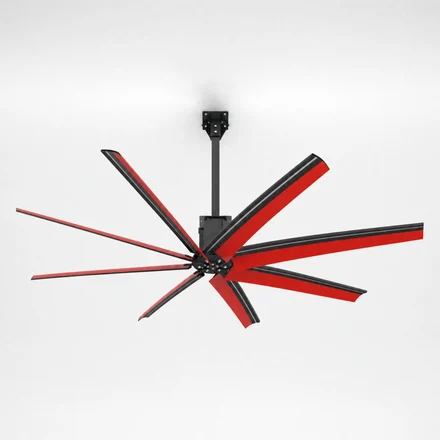
 HF800™
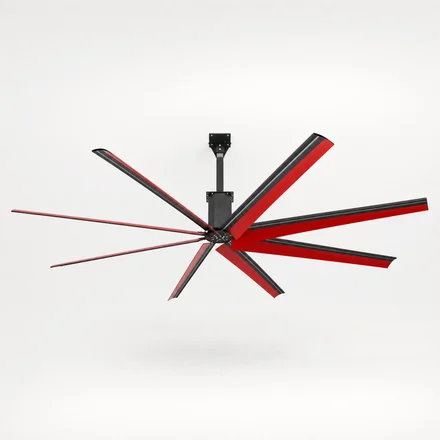 HF1200™
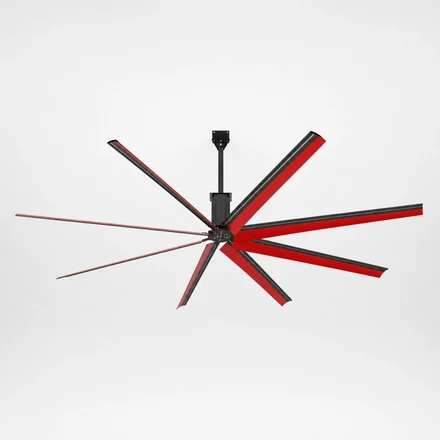 HF1600™
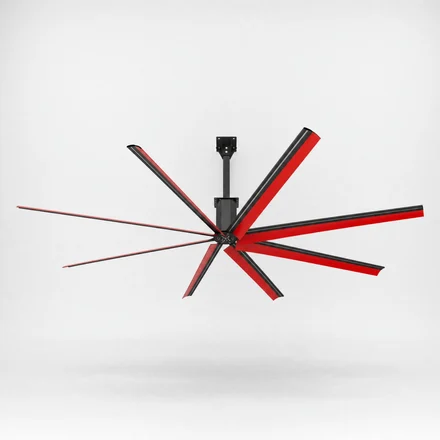 HF20™
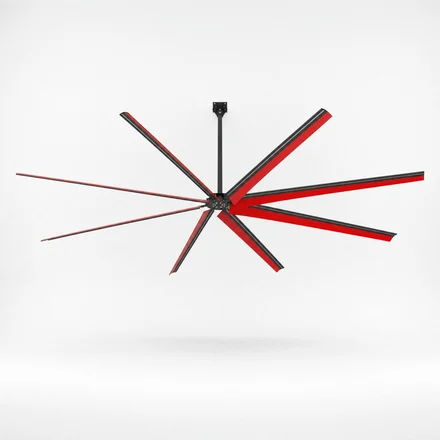 HF24™
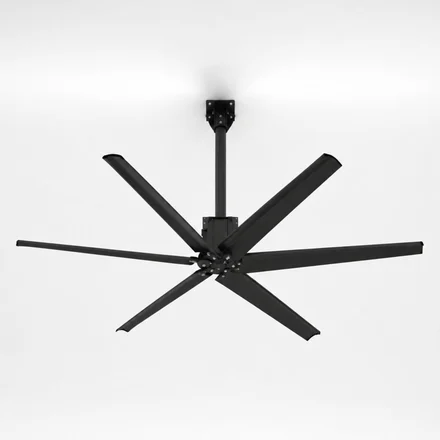 E6™ 10 Ft
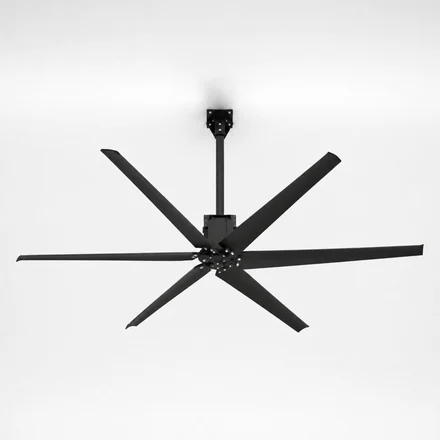 E6™ 12 Ft
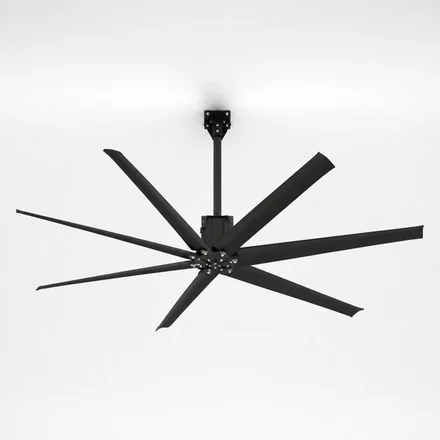 E6™ 16 Ft
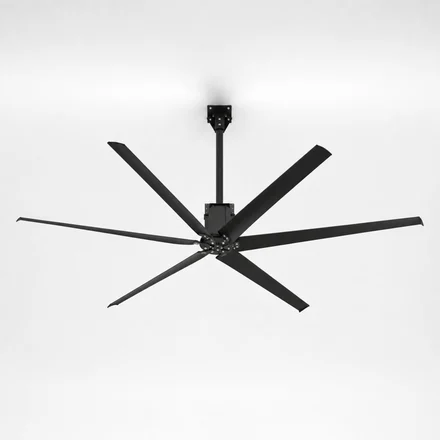 E6™ 20 Ft
Two HVLS fans, same diameter, very different performance. Happens all the time.
The reason is almost always blade shape. Blade geometry decides how much air a fan moves, how cleanly it moves it, and how many watts it burns getting there. Here is the engineering underneath that.
A fan blade is a wing
An HVLS blade is an airfoil. Same fundamental shape as an aircraft wing.
Push it through air and it generates lift. On a wing that lifts the plane. On a ceiling fan it becomes the column of air you feel on the back of your neck. Cross-section, pitch, and taper are what determine whether that column is efficient or just loud.

Why widest near the hub wins
Look at a propeller. Look at a windmill blade. Widest near the center hub, tapering out toward the tip.
That is not styling. The blade is doing different work at different points along its length, and matching the shape to that workload gets you maximum airflow off a blade that stays light and efficient.
Humongous Fan’s Performance Engineered Blades™ are fabricated with a taper and a twist. Our blade design and materials guide digs into the details.
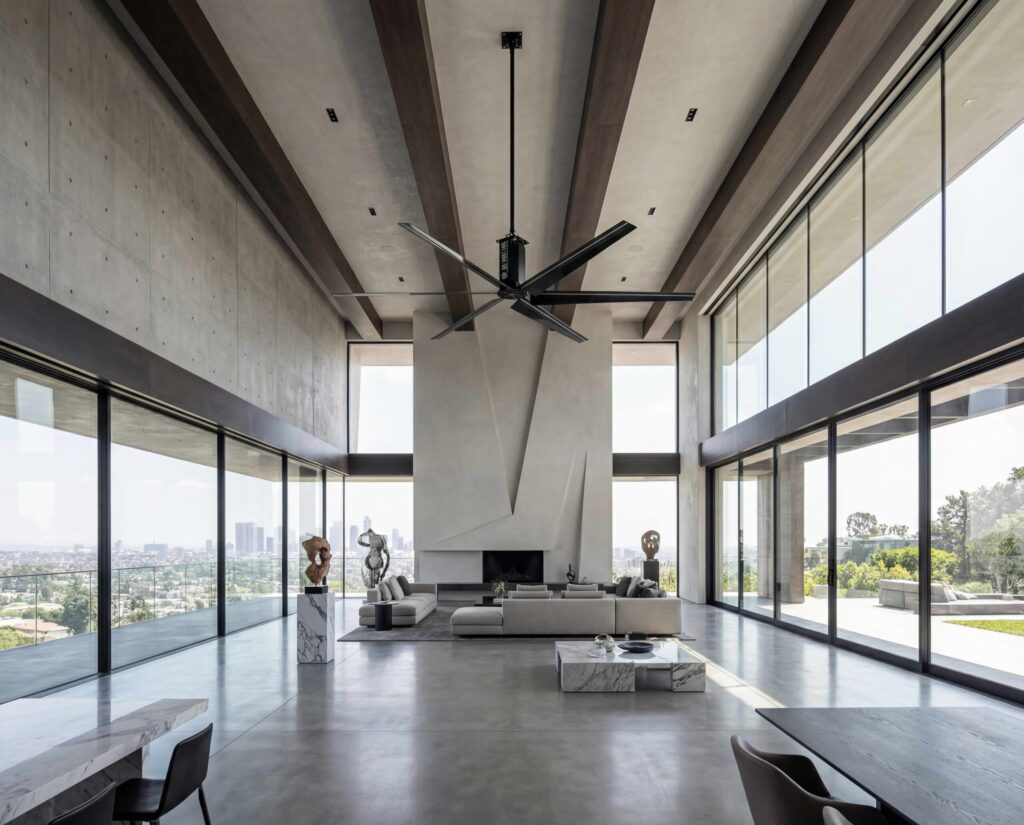
Specifying an HVLS industrial ceiling fan?
Humongous Fan builds the American-made HF Series from 8 to 24 feet in Cleveland, Ohio, with integrated sprinkler shut-off and a NEMA 1 VFD controller. We will walk the specs with you.
What good blade design delivers
- More airflow per watt: efficient shape means lower running costs.
- Sound: compare the measured sound level for the selected model.
- Even coverage: a well-shaped blade spreads air consistently across the floor.
Why it matters to a buyer
Diameter is only half the story when you compare fans.
Two 20 foot units can differ substantially in both airflow and energy draw purely because of blade engineering. So ask about airflow per watt. That single number tells you more than size ever will.
Want to see it play out in a real comparison? Industrial fan vs HVLS.
Looking for a fan engineered for efficiency instead of just built big? Request a free quote from Humongous Fan.


