
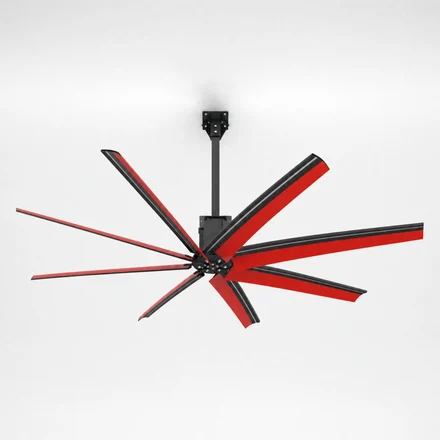
 HF800™
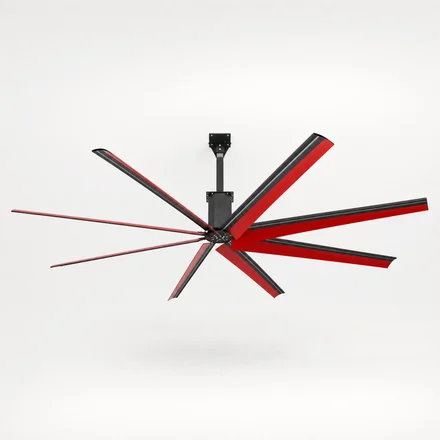 HF1200™
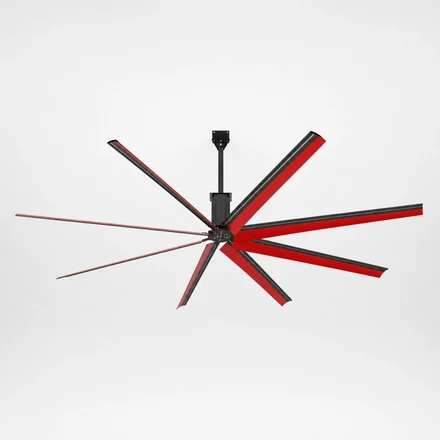 HF1600™
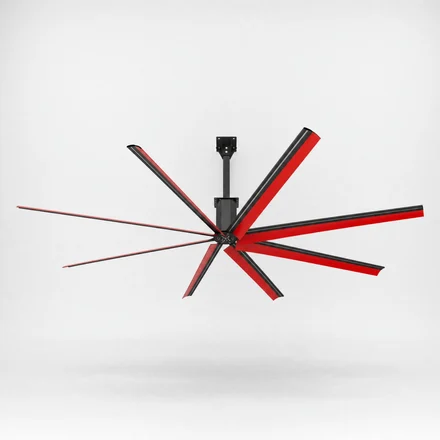 HF20™
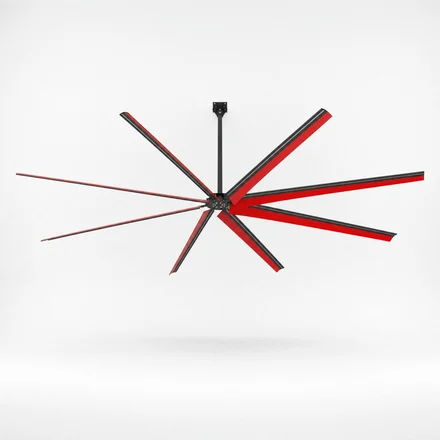 HF24™
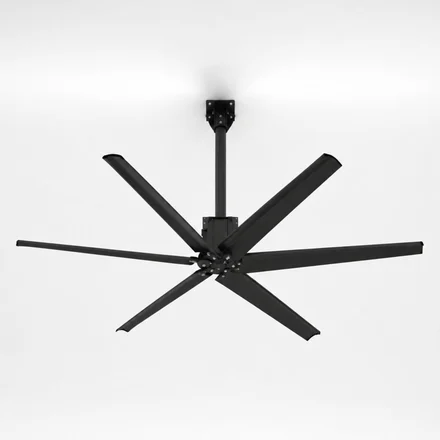 E6™ 10 Ft
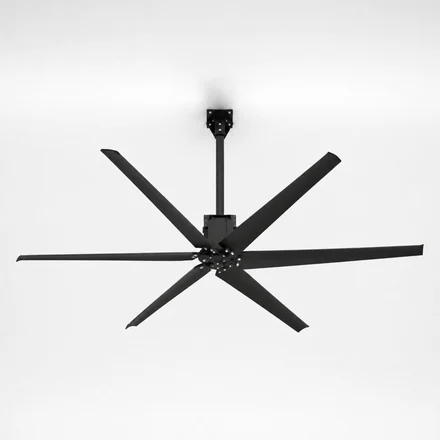 E6™ 12 Ft
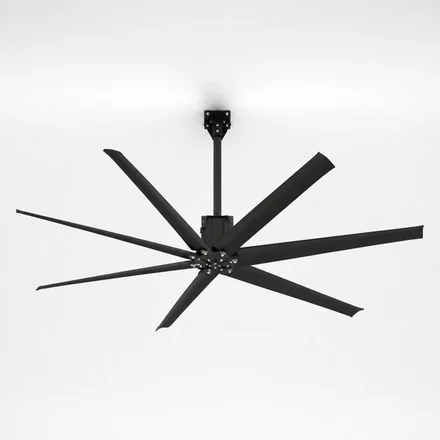 E6™ 16 Ft
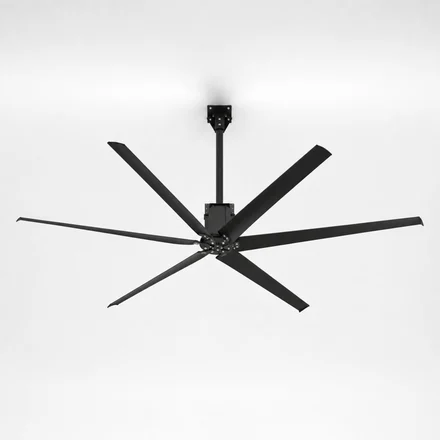 E6™ 20 Ft
OSHA has been paying a lot more attention to indoor heat.
Warehouses, manufacturing plants, distribution centers. Anywhere people do physical work in a building that gets hot. There is still no specific federal indoor heat standard on the books, but that matters less than employers assume, because the General Duty Clause already requires a workplace free of recognized hazards and heat illness has been a recognized hazard for a long time.
Where the Rules Stand Right Now
Several states got there first. California, Washington, Oregon, and Minnesota have enacted or proposed indoor heat illness prevention standards of their own.
The shape is similar across all of them. Water, rest, and cooling once temperatures cross a trigger. Those triggers usually sit somewhere between 80 and 87 degrees Fahrenheit, depending on jurisdiction and how hard the work is.
Federally, OSHA is still working on a national heat standard.
The timing barely matters for your exposure. An employer with a heat-related injury or fatality today can be cited under the General Duty Clause right now, and penalties reach six figures per violation. Getting ahead of it is a safety decision and a legal risk decision at the same time.

How HVLS Fans Address Heat Exposure
HVLS fans work through evaporative cooling. Nothing exotic about it.
Move air across skin at 2 to 3 mph and perceived temperature drops 8 to 12 degrees Fahrenheit. In a warehouse sitting at 90 degrees on a July afternoon, that is often enough to put the effective temperature back under the trigger thresholds written into most state standards.
Spot cooling protects a spot. That is the problem with it.
A single Humongous Fan HF24 covers 22,000 square feet, so everyone inside that zone gets the same benefit no matter where the work takes them. There are no gaps in coverage, no rotating crews through cooled stations, and no stopping production for cooling breaks.
Sizing HVLS fans for a warehouse?
Humongous Fan builds American-made HVLS industrial ceiling fans from 8 to 24 feet in Cleveland, Ohio. Send us your square footage, clear height and rack layout and we will tell you how many fans the building actually needs.
Documentation and Compliance Records
If you ever have to defend against a heat citation, you will need to show what you did about it.
An HVLS fan installation is a permanent engineering control, and it is verifiable. It goes straight into your heat illness prevention plan. Pair it with temperature logs showing ambient versus effective temperature with the fans running and you have a number, not an assertion.
Humongous Fan supplies installation documentation, airflow coverage maps, and performance specifications that drop directly into a compliance file.

Beyond Compliance: The Business Case
Penalties are the smallest part of what a heat injury costs.
Workers comp claims, lost-time incidents, temp staffing to cover the gap, and a reputation hit that follows you through hiring for a couple of years. Facilities that buy HVLS fans for energy savings pick up the OSHA benefit as a free second return.
Our sizing and airflow guide walks through specifying the right Humongous Fan configuration for full workforce coverage. Contact our team if you want a recommendation built around your building.


